

Attracting Gen Z diners: share plates, food and beverage pairing and ensuring a value offering
With the foodservice sector once again under pressure from increased supply chain costs – coupled with the ongoing staff and skills shortages – foodservice professionals are increasingly focused on understanding the changing nature of consumer behaviour and how it impacts upon their business.
A new research paper from the Foodservice Association Australia and Vypr, Foodservice Under Pressure: How Consumer Behaviour is Shifting (April 2026) looks at how spending behaviours, value perceptions and purchase drivers are evolving, based on a national survey of 200 Australian consumers.
The research found younger consumers “maintain the strongest habitual engagement” with eating out – finding that “18% of 18-24 year olds and 14% per cent of 25-34 year olds [are] eating out several times a week, and weekly visitation peaking at 46% among 18-24s and 39% among 25-34s.”[1]
The paper says these younger groups “continue to integrate cafes, takeaway and restaurants into social and convenience driven routines, despite broader financial uncertainty” within the current economic environment.[2]
In fact these ‘Gen Z’ diners appear to show greater resilience to cost pressures than older groups, with the paper stating 23% of 18-24s “reporting increased spending, suggesting that social occasions and convenience still justify spend.” [3]
It contextualised this by noting that diners in general “are increasingly conscious of how much they spend per visit”, which underscores the importance to foodservice operators of “maintaining strong value perception”[4]. “Price sensitivity is particularly strong” among younger consumers, cited by 59% of 18-24s[5].
The paper also found that 78% of Gen Zs in the 25-34 age group were focused upon balancing price and satisfaction when ordering – suggesting that for this cohort, meal quality remains a priority even when they are managing budgets[6].
These findings come as no surprise to Bega Foodservice Corporate Chef Caroline Westmore, who says in her experience, Gen Z diners are increasingly focused on the social aspects of dining out – but they still want value for money.
“For the new generation of diners, eating out isn’t just discretionary,” Caroline emphasises. “It’s all about the social routine but it has to be value driven, so you need to ask yourself whether your menu delivers on this.”
Caroline says one way to appeal to Gen Z diners is to provide plenty of opportunities for “sharing, sipping and snapping”.
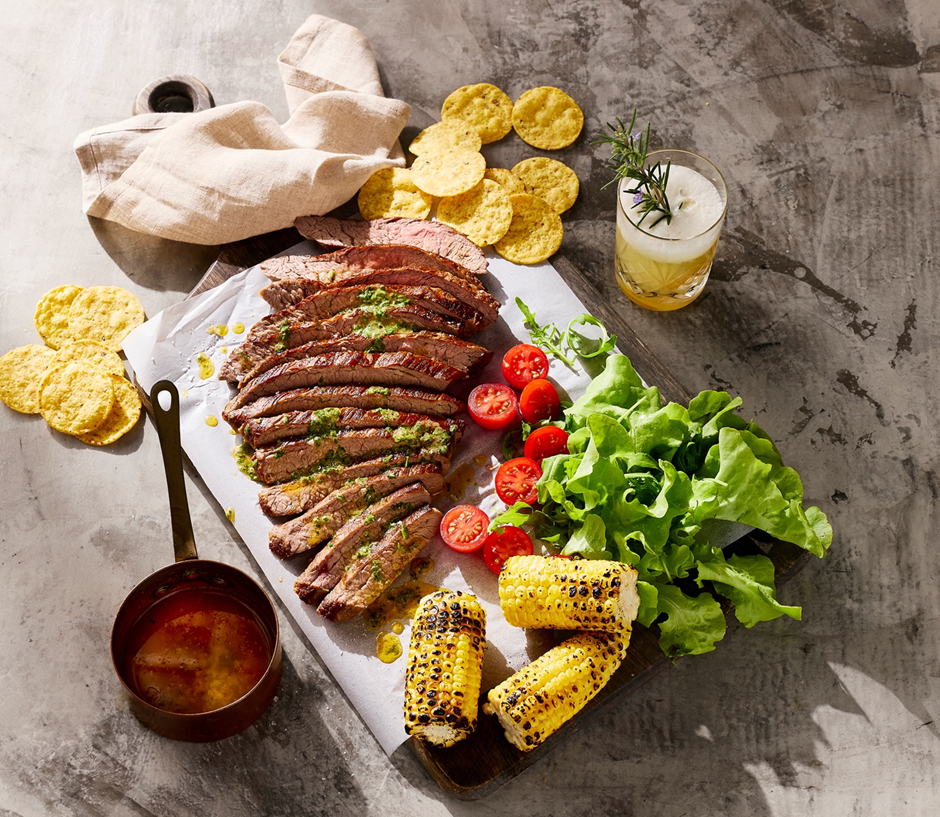
“Share plates are a great way to attract younger consumers because they allow you to deliver great value while at the same time providing increased opportunity for social interaction. When people are sharing food directly from a plate, that’s a bonding experience, one which brings them physically closer and gives them the sense they are participants in a special occasion, enjoying not only the meal but each other’s company.”
She adds it’s also a great way of ensuring those Gen Z diners feel they are getting their money’s worth.
“Instead of an entrée at $15 followed by a $25-27 main, your younger diners will often prefer to kick in $15 each for a $45 share plate between three.”
And, as Caroline points out, not only does this approach offer value to customers, it can also be a cost-effective choice for your business.
“This relaxed approach can encourage diners to stay longer, which gives you the opportunity to make more from beverage sales, as well as benefit from add-ons which can further grow your revenue. Sides like warm pita bread are relatively low outlay for your business but you can offer a selection spiced with a little sumac for around $12. Hot chips, zucchini fries and sweet potato wedges are also great examples of shareable sides.
“In many cases you’ll end up with a higher average check per head, as customers will order a few more sides here and there and end up spending more than they would have otherwise. The important thing is to always offer the customer value for money and the dining experience they’re looking for.”
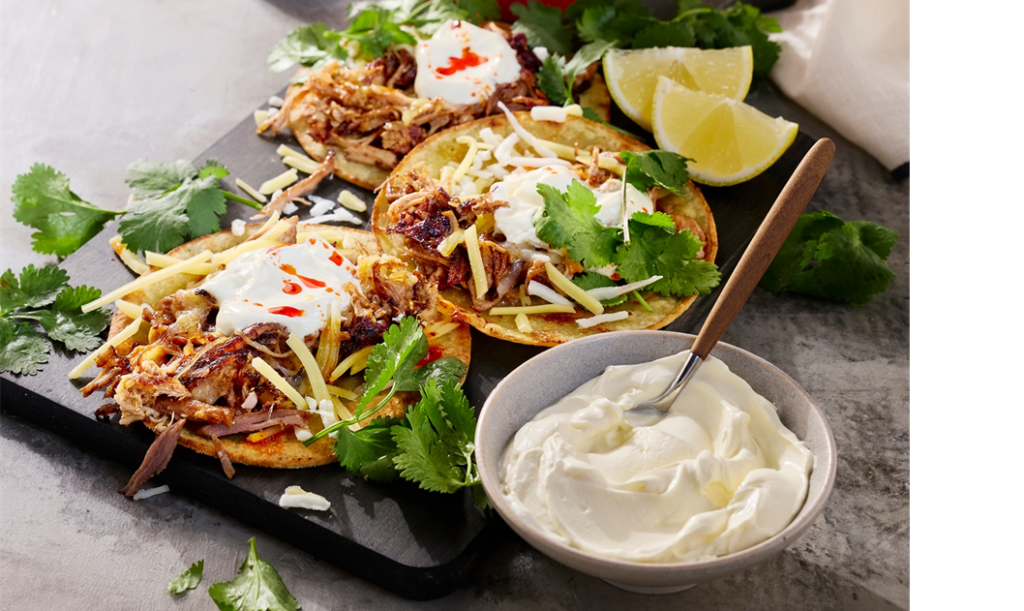
To assist chefs and foodservice operators with menu ideas and inspiration in this regard, Caroline and the team at Bega Foodservice have developed a selection of recipes in the latest edition of the Bega Foodservice Flavour Passport: The Social Seat.
It features menu ideas specifically designed to appeal to Gen Z diners, with a focus on share plates and the latest foodservice trends.
“You don’t need to rewrite your entire menu to stay on trend,” Caroline points out. “You can simply pick out some of the recipe ideas in the Flavour Passport and add them to your specials board, which can help give you the edge over the competition.” One example is cowboy butter – an on-trend recipe you can serve with your existing meals or share plates, or use with the Skirt Steak recipe included in the Flavour Passport for a fun-filled share plate experience.
“Share plates like this are terrific accompaniments to Friday night drinks on the pub or bistro menu as they make terrific snacking and grazing options,” Caroline says. “They also tend to be eyecatching, which makes them ‘Instagrammable’ – in other words, perfect for sharing via social platforms. We all know the truism that ‘people eat with their eyes first’ which is why Instagram has proven so popular for sharing meal photography. Gen Z is the first generation to have grown up with social media so these platforms offer a terrific opportunity to gain exposure among that important and influential segment of your customer base.”
This edition of Flavour Passport includes beverage recipes designed to complement each of the meals. “As I said, making sure your menu appeals to Gen Z encompasses three elements – sharing, sipping and snapping. Snapping is about tactility – food you can hold in your fingers and use with dipping sauce – and sipping is drinks. We’ve included beverage recipes like Mexican Bloody Mary, Dirty Soda and Lemon Bourbon Sour – big on flavour and again, eye-catchingly Instagrammable. Some of them include alcohol but you can easily swap out ingredients to create alcohol free versions as well.
“The whole approach is designed to make it easier to create memorable meals that encourage interaction and work well for a relaxed social setting. That’s the key to attracting those Gen Z diners and keeping them coming back for more.”
The latest edition of the Bega Foodservice Flavour Passport is available to download for free – DOWNLOAD NOW
[1] Foodservice Association Australia and Vypr, Foodservice Under Pressure: How Consumer Behaviour is Shifting (April 2026), 6.
[2] Ibid, 6.
[3] Ibid, 7.
[4] Ibid, 7.
[5] Ibid, 10.
[6] Ibid, 11.